
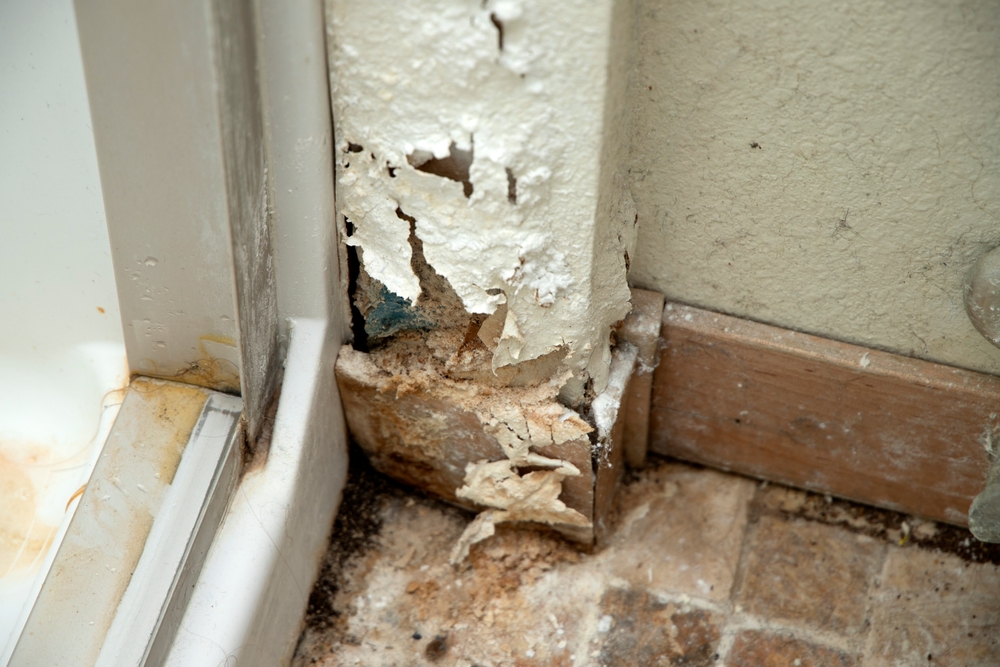
Foundation water damage is a serious problem commonly faced by those along Florida’s Gulf Coast. It occurs when ongoing moisture weakens the materials that support your home, putting its stability at risk over time. Since it often begins beneath the surface, it can be hard to catch without knowing what to look for.
Minor signs such as cracks, faint musty odors, or slight discoloration on walls may seem harmless at first. But when water continues to build up around the structure, those small issues can quickly escalate.
Understanding structural water problems and the red flags to look for helps homeowners act early and protect their property. This guide explains the leading causes, how moisture impacts your foundation, and what steps to take if you notice signs of trouble.
Understanding Foundation Water Damage
Your home’s foundation is built to support its structure. However, if moisture seeps in, it can weaken the base of your home.
Foundation water damage occurs when moisture accumulates in the soil around your home or seeps through small cracks. Over time, this can weaken concrete, shift soil, and put pressure on foundation walls.
Heavy rain, poor drainage, plumbing leaks, and rising groundwater are the most common causes. As saturated soil expands and then shrinks when it dries, it creates stress that can lead to cracks or structural movement.
Even hidden moisture can cause problems over time. Understanding how water-related foundation issues develop helps you protect your home in the long term.
How Quickly Can Water Damage a Foundation?
How quickly foundation water damage develops depends on several conditions, including drainage, soil type, and how long the water remains in place. Severe cases can cause long-term effects in just 72 hours.
Foundation damage tends to happen faster when:
- Water pools near the home instead of draining away
- Moisture exposure is repeated or ongoing
- Leaks go unnoticed for extended periods
- Heavy rainfall occurs in a short amount of time
Even smaller water issues can become serious if they are ignored. Addressing moisture early helps reduce the chance of long-term structural harm.
How Water Affects Your Home’s Foundation
Water around your foundation is never something to ignore. Excess moisture can weaken the structure of your home and create unsafe conditions if it goes untreated.
Common ways water impacts a foundation include:
- Soil expansion that pushes against foundation walls
- Soil erosion that removes support from beneath the home
- Moisture absorption into porous concrete
- Higher humidity in basements or crawl spaces
Catching early warning signs can help you address structural moisture concerns before they compromise the safety of your home.
Factors That Influence How Fast Water Causes Damage
Not all foundation water damage develops at the same speed. Several key factors affect how quickly moisture can impact your home:
- Soil type: Clay soils absorb more water and expand, placing greater pressure on foundation walls than sandy or well-draining soils.
- Drainage conditions: Poor grading, clogged gutters, or short downspouts allow water to pool near the foundation instead of flowing away.
- Weather and rainfall exposure: Heavy rain, long wet seasons, or rapid snowmelt can saturate soil for extended periods.
- Foundation type: Basements face more water exposure because they sit below ground level. Slab foundations can experience moisture wicking up from saturated soil, while crawl spaces are vulnerable to humidity and standing water.
- Construction quality and age: Older or poorly built foundations may lack modern waterproofing, have existing cracks, or rely on more porous materials that absorb moisture faster.
- Duration of exposure: Consistent leaks, repeated storms, or long-term soil saturation give moisture more time to weaken the structure.
Signs of Foundation Water Damage
Foundation water damage often shows up through subtle changes inside or around the home. While some signs are easy to spot, others develop slowly and are commonly overlooked. Knowing what to watch for can help you protect the structural integrity of your home.
- Cracks in Drywall or Plaster
Small cracks may appear around door frames, windows, or ceilings as the foundation shifts under pressure. - Mold or Mildew
Persistent moisture near the foundation can create conditions for mold or mildew growth, especially in basements or crawl spaces. - Moisture or Dampness
Damp walls, wet floors, or unexplained moisture indoors can indicate water intrusion through the foundation. - Wall Discoloration
Staining or discoloration on walls may signal long-term moisture exposure behind the surface. - Musty Smells
A lingering musty odor is often one of the earliest signs of hidden moisture and foundation-related water issues.
What To Do When You See Foundation Water Damage Signs
If you notice signs of foundation seepage, taking action early can help limit further issues. Ignoring moisture or visible changes often allows damage to spread and become more difficult to address.
When you notice warning signs, you should:
- Document what you see. Take photos of cracks, discoloration, or damp areas so changes can be tracked over time.
- Address active water sources. Leaks, pooling water, or drainage issues should be corrected as soon as possible.
- Avoid temporary structural fixes. Sealing cracks without addressing moisture can trap water and worsen damage.
- Contact a water damage professional. A proper assessment can determine how far moisture has spread and what steps are needed to stabilize the area.
How Can I Prevent Water Damage To My Foundation?
While not all water-related foundation issues are avoidable, proactive maintenance can significantly reduce your risk. Helpful prevention steps include:
- Keep gutters and downspouts clear to direct water away from the foundation
- Make sure the ground around your home slopes away from the structure
- Repair plumbing leaks as soon as they happen
- Monitor basements and crawl spaces for moisture after heavy rain
- Schedule routine inspections if your home has a history of water issues
These steps help manage moisture before it becomes a threat to your foundation.
FAQ
Can foundation water damage be fixed?
Yes, most foundation water damage can be repaired if it’s caught early. The right solution depends on the moisture source, the severity of the damage, and the type of foundation.
Does homeowners’ insurance cover foundation water damage?
Coverage depends on your policy and what caused the damage. Many policies cover sudden, accidental events like burst pipes but exclude gradual issues related to poor drainage or long-term moisture. Review your policy and speak with your insurer to confirm what’s included.
Is foundation water damage an emergency?
Standing water or active leaks should always be treated as urgent. Ongoing moisture can quickly lead to structural issues and additional damage.
Can small leaks cause foundation damage?
Yes, even minor leaks can cause significant problems if moisture is allowed to remain against the foundation for days or weeks. Over time, these small, unnoticed leaks can lead to cracks, shifting, and other structural concerns.
Contact Expert Water Removal
Foundation water damage can feel overwhelming, especially when the warning signs are easy to miss. Expert Water Removal is here to help you identify moisture problems, document any damage, and guide you through the following steps to protect your home.
If you suspect moisture issues around your home, reach out to our team to schedule an inspection.