
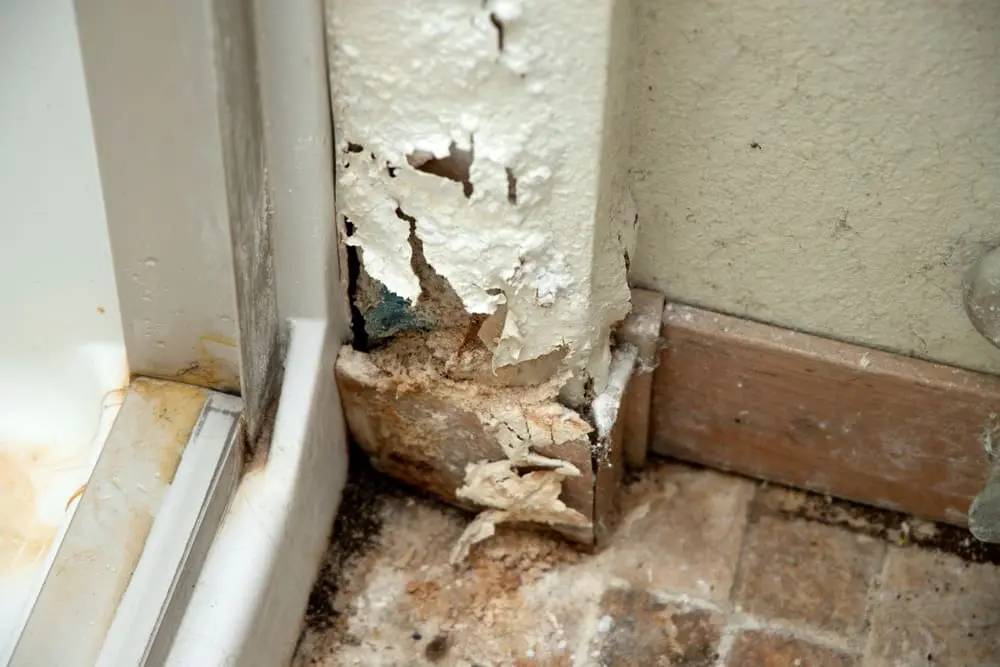
What Is Foundation Water Damage? Causes, Warning Signs & What to Do
Foundation water damage occurs when excess moisture builds up around or beneath your home’s foundation, weakening the structural materials over time. Along Florida’s Gulf Coast, common causes include heavy rainfall, poor drainage, plumbing leaks, and rising groundwater.
If ignored, foundation moisture can lead to cracks, uneven floors, mold growth, musty odors, and costly structural repairs. Understanding the early signs of water damage to the foundation and how to address it can help prevent long-term damage and high restoration costs.
What Is Foundation Water Damage?
Foundation water damage occurs when prolonged moisture exposure weakens a home’s structural foundation. This happens when saturated soil places pressure against foundation walls, groundwater rises beneath the slab, or water enters through cracks in concrete.
Unlike general water damage that affects surface materials like drywall or flooring, foundation water damage impacts the home’s load-bearing structure and can threaten its long-term safety and value.
Because many Florida homes are built on slab-on-grade foundations, water intrusion often develops beneath the concrete slab itself rather than through basements or crawl spaces.
What Causes Foundation Water Damage?
Foundation water damage can develop from several different moisture sources. From Florida’s heavy rainfall and storm surges to improper drainage, look out for these common causes of foundation water damage:
Poor Drainage and Improper Grading
The most common cause of foundation water issues is poor drainage and improper grading. When the ground around a home doesn’t slope away from the foundation, rainwater pools against it instead of draining away. Over time, this creates pressure and increases the likelihood of cracks and moisture intrusion.
According to the EPA, grading should slope away from the foundation at roughly ½ to 1 inch per linear foot to help prevent water accumulation. Tampa Bay’s flat terrain makes proper drainage especially important during heavy rain events.
Heavy Rainfall and Storm Surge
Tampa Bay receives more than 46 inches of rain annually, especially during the fall rainy season, which can saturate the soil for weeks at a time. Hurricane storm surge creates an additional risk by forcing water into areas that drainage systems cannot handle.
Homes vulnerable to flooding should prepare for seasonal flooding in Tampa before storm season begins.
Plumbing Leaks Beneath or Near the Foundation
Plumbing issues are common among Tampa Bay homeowners. Leaking supply lines or drain pipes running beneath a slab introduce a continuous moisture source that saturates the surrounding soil and the concrete itself.
Common warning signs include warm spots on floors, unexplained water pooling, damp grout lines, or unusually high water bills. Professional leak detection services can help identify hidden moisture before major damage develops.
Rising Groundwater and High Water Table
Florida’s water table is among the highest in the country, and in many Tampa Bay neighborhoods, groundwater sits a few feet below the surface year-round.
During heavy rain, moisture can rise into the slab and spread into nearby flooring and walls. This is one reason foundation moisture problems are especially high risk for Florida homes.
Clogged or Absent Gutters and Downspouts
Clogged gutters and poorly placed downspouts can direct large amounts of water toward your home’s foundation. During heavy Tampa rainstorms, overflowing gutters can quickly saturate the soil surrounding the foundation and increase the risk of water intrusion.
To help prevent foundation damage, gutters should be cleaned at least twice a year and more often for homes surrounded by heavy tree coverage. Downspouts should also extend at least 4–6 feet away from the foundation to safely direct water away from the home.
Tree Root Intrusion
Aggressive tree root systems can infiltrate and crack foundation concrete as they grow toward moisture. This is especially common with live oaks, focus, and laurel oaks common in Tampa Bay landscaping.
Root intrusion creates entry points for water that compacts over time. A small crack can quickly worsen as hydrostatic pressure expands the damage. Root-related foundation problems often develop slowly before visible cracking appears indoors.
Warning Signs of Foundation Water Damage
Foundation water damage can show up through subtle or visible changes inside your home. Knowing the warning signs of water damage to your foundation can help you catch issues early and protect your home’s structural integrity.
Cracks in Drywall, Plaster, or Exterior Walls
Foundation movement causes shifting soil, which puts stress on the structure above it. Small cracks may appear diagonally near doors and windows, along exterior brick walls, or in stair-step patterns through mortar joints.
Horizontal cracks in the basement or exterior walls are more serious and usually indicate lateral pressure from saturated soil.
Doors and Windows That Stick or No Longer Align
Added moisture under the surface shifts door and window frames out of square, causing them to stick or stop aligning properly.
You may notice doors dragging against the floor, windows becoming difficult to open, or visible gaps around frames. Even minor foundation movement can create noticeable alignment problems inside the home.
Mold or Mildew Growth Without an Obvious Source
Foundation moisture creates damp conditions that allow mold and mildew to grow even without visible leaks. Mold may appear along baseboards, lower walls, flooring edges, or inside closets near exterior walls.
According to the CDC, damp indoor environments can contribute to respiratory symptoms, including coughing, wheezing, congestion, and skin irritation. If moisture has already led to visible contamination, professional mold remediation services may be needed.
Efflorescence on Concrete or Masonry
Efflorescence forms when water moves through concrete or masonry and leaves mineral deposits behind as it evaporates. This appears as a white, chalky, or powdery substance on concrete walls, brick, or block surfaces.
While efflorescence itself isn’t dangerous, it confirms that moisture is actively traveling through the foundation material. Quick action is essential to prevent the spread of moisture that leads to structural harm and microbial growth.
Musty Odors, Dampness, or Elevated Humidity Indoors
Foundation moisture raises indoor humidity levels and creates persistent damp odors throughout the home.
Many homeowners notice a musty smell concentrated near lower walls or flooring areas. Floors may feel damp to the touch, and condensation may appear indoors even while the air conditioning is running.
Moisture, Staining, or Discoloration on Walls and Floors
Water intrusion leaves visible staining and discoloration as moisture travels through building materials. You may notice yellow or brown staining along baseboards, dark patches on flooring, or discoloration along grout lines.
In Tampa slab homes, tile and grout discoloration is often one of the earliest visible signs of water damage to the foundation.
How Quickly Does Foundation Water Damage Progress?
Foundation water damage can worsen quickly as moisture creates new cracks and pathways for water intrusion. Tampa Bay’s high ambient humidity and warm temperatures accelerate the spread of moisture and mold growth compared to cooler or drier climates.
- Within 72 hours: Major water events like flooding or slab leaks can begin affecting the foundation through soil saturation and concrete moisture absorption.
- Within 7–30 days: Ongoing moisture may lead to surface deterioration, efflorescence, elevated humidity, and conditions that support mold growth.
- Over months or years: Long-term moisture exposure can cause structural cracks, foundation shifting, mold growth inside walls, and wood rot in framing materials near the foundation.
Foundation Water Damage vs. General Water Damage — What’s the Difference?
Not all water damage affects a home the same way. General water damage usually affects surface materials like drywall or flooring, while foundation water damage affects the structural base supporting the home.
| General Water Damage | Foundation Water Damage | |
|---|---|---|
| Source | Pipe leaks, appliances, and roof leaks | Soil saturation, groundwater, slab intrusion |
| Primary Material Affected | Drywall, flooring, contents | Concrete, masonry, structural framing |
| Speed of Onset | Often sudden and visible | Often gradual and hidden |
| Primary Risk | Mold and material damage | Structural movement, settlement, and mold |
| Typical Signs | Standing water, ceiling stains | Cracks, uneven floors, and sticking doors |
| Who to Call | Water damage restoration company | Water damage restoration company + structural engineer if movement occurs |
Foundation water damage is often harder to detect and requires prompt, professional restoration to protect your home from structural failure or serious health risks.
What to Do If You Suspect Foundation Water Damage
If you notice signs of water damage around your foundation, acting quickly can help limit structural damage and reduce restoration costs.
If you notice warning signs, you should:
- Step 1: Stop Any Active Water Source. Shut off the water supply if possible and schedule a professional inspection if the source is unclear.
- Step 2: Document the Damage. Take photos and videos of any visible cracks, staining, mold, or moisture before cleanup begins. This documentation supports insurance claims and establishes a baseline for tracking how the damage changes over time.
- Step 3: Avoid Sealing Cracks Too Early. Don’t seal foundation cracks before identifying and correcting the source of moisture. Sealing cracks too early can trap moisture inside the concrete and worsen internal deterioration.
- Step 4: Improve Drainage Around the Home. Reduce ongoing moisture exposure by clearing gutters, extending downspouts, and removing standing water near the foundation.
- Step 5: Schedule a Professional Moisture Assessment. Professional moisture mapping, thermal imaging, and moisture meters help identify hidden saturation beneath flooring and inside walls.
- Step 6: Contact a Structural Engineer if Movement Has Occurred. If you notice uneven floors, sticking doors, or large structural cracks, a structural engineer should assess the foundation.
How Is Foundation Water Damage Repaired?
Repairing foundation water damage involves thoroughly drying affected materials, repairing damaged areas, and addressing drainage issues to help prevent future problems.
Here’s what the restoration process typically includes:
- Phase 1 — Moisture Mitigation
Water extraction, industrial drying equipment, dehumidification, and moisture mapping are used to locate and remove hidden moisture. Areas beneath flooring, inside walls, and within concrete slabs must be fully dried before repairs begin. - Phase 2 — Structural Restoration
Once dry, damaged materials can be repaired or replaced. This may include drywall replacement, flooring and subfloor repairs, crack sealing, and antimicrobial treatments to help prevent mold growth. - Phase 3 — Drainage Correction
Long-term solutions such as gutter repairs, downspout extensions, and drainage improvements may also be necessary to reduce the risk of future water intrusion.
Foundation Water Damage Prevention — What Tampa Bay Homeowners Can Do
Preventing foundation water damage starts with controlling how moisture moves around your home. In Tampa Bay, regular maintenance and early inspections can help reduce the risk of long-term structural problems.
Here’s what you can do to prevent foundation water damage:
- Keep gutters and downspouts clear and properly directed
- Ensure proper grading around the home
- Repair plumbing leaks immediately
- Monitor crawl spaces and under-slab moisture after storms
- Install or maintain a sump pump in low-lying areas
- Schedule a professional moisture inspection after major storms
Frequently Asked Questions About Foundation Water Damage
Can foundation water damage be fixed?
Yes, most foundation water damage can be repaired if addressed before structural movement occurs. Contact a professional restoration company, such as Expert Water Removal, for an assessment as soon as you notice signs of water damage to the foundation.
Does homeowners’ insurance cover foundation water damage?
Coverage depends on the cause and your specific policy. Most standard homeowners’ policies cover sudden and accidental events, like a burst pipe, but exclude gradual moisture damage from poor drainage or long-term seepage.
Is foundation water damage an emergency?
Any active water source or standing water near a foundation should be treated as an urgent issue. Even without active flooding, visible mold growth, structural cracking, or rapidly spreading moisture, these conditions warrant same-day professional attention. In Tampa’s climate, the window between a manageable water damage event and a mold remediation job can be as short as 24 to 48 hours.
Can small leaks cause foundation damage?
Yes, minor leaks are among the most damaging causes precisely because they go unnoticed for extended periods. A slow drip from a supply line can continuously saturate the surrounding soil and concrete for weeks or months before any surface signs appear.
Protect Your Home From Foundation Water Damage
Foundation water damage in Tampa Bay moves faster than homeowners expect due to high humidity, frequent storms, and Florida’s elevated water table.
If you notice signs of water damage to your foundation, contact Expert Water Removal for a free water damage inspection. We provide 1-hour emergency response and expert care to protect your home from long-term damage.
Call Tampa (813) 255-2910 | Call Sarasota/Bradenton (941) 584-5817