
If you notice stains on your drywall or water dripping after a shower upstairs, it’s likely a sign of water leaking from an upstairs bathroom to the downstairs ceiling.
While this situation can be stressful, taking the proper steps quickly can limit damage and help you regain control. Knowing what causes these leaks, how to locate the source, and what actions to take can protect your home from further water damage.
In this guide, we’ll cover the most common reasons for these leaks, how to identify the source, and when it’s time to call a professional.
Why Is Water Leaking From the Upstairs Bathroom to the Downstairs Ceiling?
Water leaking from an upstairs bathroom to the downstairs ceiling is usually due to faulty fixtures or pipes directly above. Since bathroom plumbing is hidden behind walls or floors, it can be hard to catch until stains appear or water is already dripping.
Here are some of the most common causes to look for:
1. Bathtub Drain Leak
A bathtub drain leak happens when the seal around the drain loosens, cracks, or deteriorates over time. Each time the tub is used, water can escape around the drain fitting and seep into the space below.
Signs of a bathtub drain leak often include:
- Ceiling stains that appear after baths but not showers
- Dripping water directly below the tub area
- Soft or bubbling drywall on the ceiling
Even small drain leaks can cause steady moisture buildup, which may weaken drywall and wood framing if left untreated.
2. Bathtub Overflow Drain Leak
The overflow drain is designed to prevent water from spilling over the tub edge. If the gasket behind the overflow plate fails or shifts out of place, water can escape into the wall or floor cavity.
This type of leak often occurs when:
- The tub is filled higher than usual
- Water is splashed near the overflow opening
- The overflow gasket has worn out over time
Because overflow drains sit behind the wall, leaks here can be harder to detect. It may spread moisture across a larger area before visible damage appears on the ceiling below.
3. Bathtub Crack Leak
Cracks in a bathtub can allow water to escape slowly over time. These cracks may form due to age, shifting foundations, or impact damage from dropped items. Even hairline fractures can let water seep through the tub shell and into the structure below.
Signs of a cracked bathtub may include:
- Water stains appear after baths and showers
- Moisture, even when the drains appear intact
- Visible cracks or soft spots along the tub surface
This type of leak often worsens with regular use. Without prompt attention, it can lead to ongoing moisture buildup behind walls and ceilings.
4. Damaged or Deteriorating Shower Tiles and Grout
Shower tiles and grout create a water-resistant barrier, not a waterproof seal. When grout cracks, tiles loosen, or caulking deteriorates, water can pass behind the walls and floors during regular shower use.
This issue is more common in older bathrooms or areas with frequent moisture exposure. Over time, repeated water intrusion can travel downward and show up as ceiling stains or drips below the bathroom.
Common warning signs include:
- Loose or missing grout
- Cracked tiles or peeling caulk
- Persistent musty odors near the bathroom
Noticing any of these signs may indicate a risk of water leaking from an upstairs bathroom to the downstairs ceiling. Getting help early can resolve minor plumbing problems before they turn into leaks.
How To Identify the Source of the Leak
Finding the source of a bathroom leak can be challenging, especially when plumbing components are hidden between floors. However, a few careful observations can help narrow down the cause:
- Noting when the leak appears, such as during showers, baths, or constant water use
- Checking visible fixtures, drains, and seals for signs of damage
- Looking for patterns in ceiling stains that line up with bathroom fixtures above
Identifying the source early is crucial to limiting damage and preventing moisture from spreading into ceilings, walls, and structural materials.
If the source isn’t clear, contact a professional restoration company immediately. At Expert Water Removal, our specialists use advanced moisture detection tools to locate hidden leaks without unnecessary demolition.
What To Do if You Find Water Leaking From the Upstairs Bathroom to the Downstairs Ceiling?
If you spot water leaking from an upstairs bathroom to the downstairs ceiling, act quickly to reduce risks and prevent long-term problems. Here’s what to do:
1. Turn Off the Water Supply
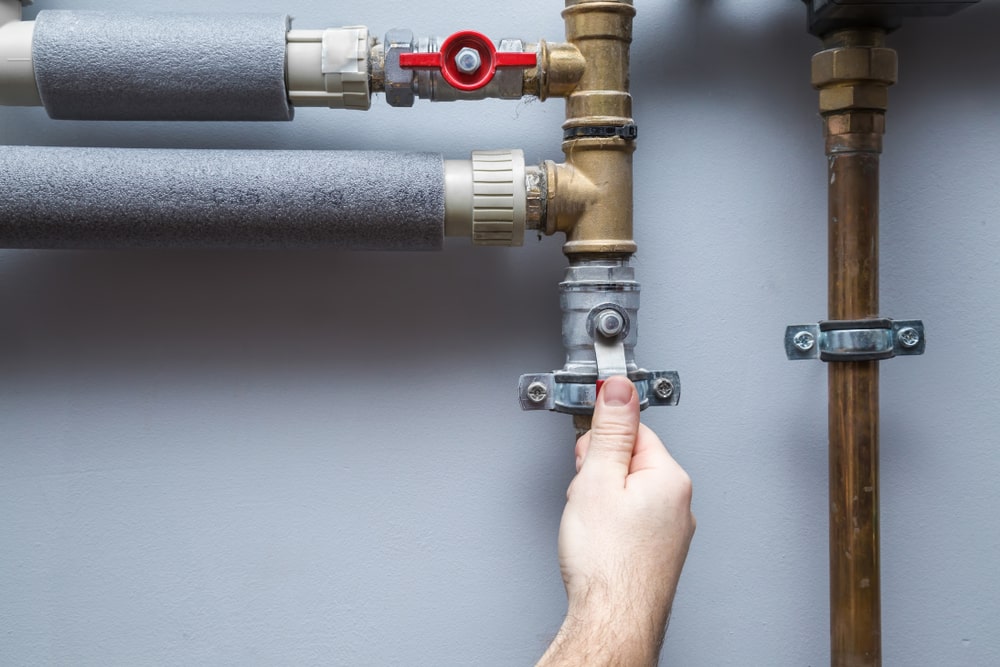
The first step is to stop the flow of water. If you know which fixture is causing the leak, shut off the water supply to that bathroom. If the source is unclear, turn off the home’s main water valve to prevent further water intrusion until a professional arrives.
2. Move or Cover Your Furniture
Water dripping from the ceiling can damage furniture, electronics, and personal belongings. Move items out of the affected area if possible. If moving them isn’t an option, cover them with plastic sheeting or tarps to protect against moisture.
3. Place a Bucket Under the Leak and Lay Down Tarps or Drop Cloths
Set a bucket or container under the leak to catch dripping water and prevent pooling on the floor. Cover the surrounding area with tarps or drop cloths for extra protection, especially if the leak is steady.
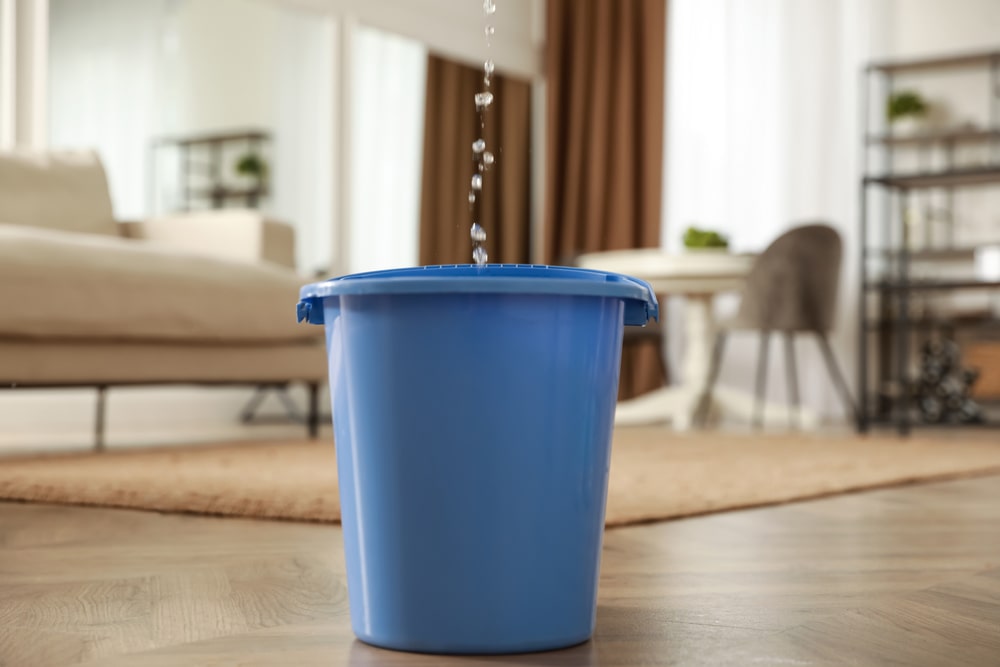
While this won’t stop the leak, it helps minimize secondary damage as you plan your next steps.
4. Determine the Source of the Leak
Once the immediate situation is under control, try to identify the source of the water. Pay attention to when the leak occurs and what fixtures were recently used. Avoid opening ceilings or walls on your own, as trapped water and weakened materials can create safety concerns.
5. Call a Professional Water Damage Restoration Company

If water has reached your ceiling, professional help is needed. A restoration team can assess hidden moisture, begin controlled drying, and document damage for insurance purposes. Acting quickly helps reduce the chance of ongoing water issues and additional repairs.
Frequently Asked Questions
Is water leaking through the ceiling an emergency?
Yes. A ceiling leak means water has already entered your home’s structure. Even small leaks can spread quickly and cause more extensive damage if not addressed promptly.
Can I keep using the upstairs bathroom if there’s a ceiling leak?
It’s best to avoid using the bathroom until the source of the leak is identified. Continued use can worsen the leak and increase damage to the ceiling below.
Will insurance cover water damage from a bathroom leak?
Coverage depends on your policy and the cause of the leak. Sudden or accidental leaks are often covered, while long-term maintenance issues may not be. Expert Water Removal works with all providers and will help you with proper documentation for your claim.
How long can water sit before causing serious damage?
Water can begin damaging materials within hours. Seeking immediate professional restoration can prevent structural damage and reduce repair costs.
Contact Expert Water Removal in Tampa, FL
If you’re dealing with water leaking from an upstairs bathroom to the downstairs ceiling, quick action matters. At Expert Water Removal, we understand how stressful unexpected water issues can be, and we’re here to help you take control.
Our team responds promptly to assess the damage, locate hidden moisture, and begin professional drying to prevent further problems. Using advanced detection tools, we provide clear documentation to support the restoration process and any insurance needs. From your first call to the final walkthrough, we focus on restoring your home with care, accuracy, and attention to detail.
If you notice water leaking from the upstairs bathroom to the downstairs ceiling, don’t wait. Contact Expert Water Removal in Tampa, FL, today for professional water damage restoration.