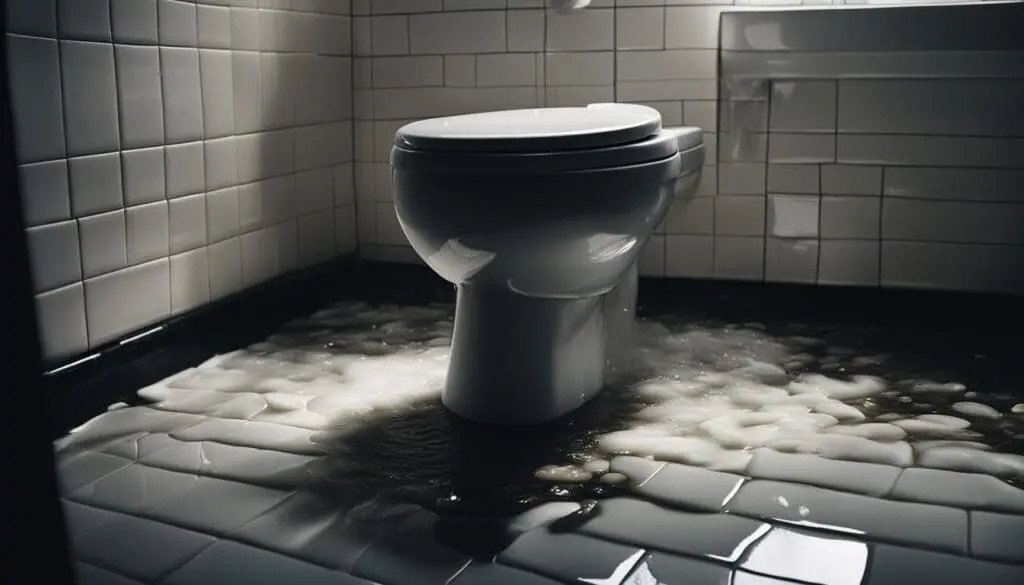
A toilet overflow can go from a minor mess to a major water emergency in minutes. Every year, homeowners face thousands of dollars in repairs after water spreads beneath flooring, behind walls, and into structural materials.
The good news is that knowing what to do when your toilet overflows can help protect your home, your health, and your wallet.
At Expert Water Removal, we’ve responded to countless emergency water damage calls throughout Tampa Bay. Whether you’re dealing with a simple clog or a sewage backup, we’re here to walk you through the immediate steps to take after a toilet overflow and when to contact us for professional service.
Stop The Water Flow Immediately
The first minute after a toilet overflow matters most. Your priority should be to stop additional water from entering the bowl and prevent the overflow from spreading further into your home. The faster you stop the flow, the less water can soak into flooring, drywall, cabinetry, and subfloors.
Here’s what to do when a toilet overflows:
Locate Your Toilet’s Water Shutoff Valve
Most homeowners don’t think about their toilet’s shutoff valve until an emergency happens. However, knowing where it is can save valuable time in an overflow disaster.
In most homes, the toilet shutoff valve is oval-shaped or round and made of metal or plastic. It’s typically located on the wall behind the toilet, near the base, or along the supply line connecting the wall to the tank. In some older homes, the valve may be located in a basement, crawl space, or utility area directly below the bathroom.
To shut off the water:
- Turn the valve clockwise until it stops.
- Wait several seconds to confirm the water flow has stopped.
- Watch the bowl to make sure the water level is no longer rising.
Emergency Shutoff Methods When the Valve Won’t Turn
If you’re unable to shut off the valve, it may be corroded, damaged, or stuck in place. Here are alternative ways to stop the water flow:
- Lift the float mechanism: If the tank is still filling, carefully remove the tank lid and lift the float. Holding the float in the raised position can temporarily stop additional water from entering the tank.
- Close the flapper valve: The rubber flapper at the bottom of the tank controls water flow into the bowl. Pressing it closed can help slow the overflow while you locate another shutoff method.
- Turn off the main water supply: If the overflow continues, locate your home’s main water shutoff valve and turn it off immediately. This is typically found near the water meter, in a garage, along an exterior wall, or in a utility room.
- Call for emergency assistance: If you can’t stop the flow or water is rapidly spreading into adjacent rooms, contact professionals immediately.
Assess the Overflow Severity and Water Type
Not every toilet overflow presents the same level of risk. Before starting cleanup, determine what type of water you’re dealing with.
There are three levels of contamination that affect both your safety and your next steps:
| Water Category | Source | Risk Level | DIY Cleanup? |
|---|---|---|---|
| Category 1 (Clean Water) | Broken supply line, clean tank overflow | Low | Usually yes |
| Category 2 (Gray Water) | Wastewater with limited contamination | Moderate | Sometimes |
| Category 3 (Black Water) | Sewage backup, toilet waste, floodwater | Severe | Professional cleanup is required. |
As contamination levels increase, so do the health risks. Always wear appropriate protective equipment and avoid direct contact with overflow water whenever possible.
For homeowners dealing with wastewater or sewage contamination, professional sewage cleanup services are the safest option.
Clean Water Overflows (Supply Line Issues)
A clean water overflow usually happens when a supply line leaks, a tank overfills, or a plumbing component fails before water enters the bowl. Because the water comes from your home’s potable water supply, the risk of contamination is low, and cleanup may be manageable for homeowners.
However, clean water can still cause significant damage if it seeps beneath the flooring, into the drywall, or behind the baseboards. If water has spread beyond the immediate area or cannot be completely dried within 24–48 hours, professional drying and moisture detection may be necessary.
Contaminated Water Overflows (Sewage Backup)
A sewage backup is considered Category 3 black water and may contain harmful contaminants such as bacteria, viruses, and parasites. Common causes include sewer line backups, severe drain clogs, and municipal sewer system failures.
Unlike clean water incidents, sewage contamination cannot be safely cleaned with household disinfectants alone. If wastewater or sewage is involved, avoid direct contact with the affected area and seek professional toilet overflow cleanup to ensure proper extraction, sanitization, and drying.
Step-by-Step Cleanup and Damage Control
If the overflow involved clean water and was contained quickly, you may be able to handle the initial cleanup yourself. For larger overflows, water that has spread beyond the bathroom, or sewage contamination, it’s best to contact professionals right away.
Here’s what to do when a toilet overflows:
Safety Gear and Preparation
Before cleanup begins, put on rubber gloves, waterproof footwear, and eye protection. If you suspect contamination, consider wearing a mask and avoiding direct contact with the water whenever possible.
Remove rugs, towels, paper products, and other wet items from the affected area. Keeping the space clear will make cleanup easier and help prevent water from spreading to nearby rooms.
Water Extraction and Surface Cleaning
Use towels, a wet vacuum, or a mop to remove standing water as quickly as possible. The longer water remains on the floor, the greater the risk of damage to grout lines, baseboards, subfloors, and surrounding materials.
After extraction, clean and disinfect all affected surfaces using an appropriate household disinfectant. Pay special attention to flooring, toilet bases, nearby walls, and any surfaces that came into contact with the toilet overflow.
Moisture Detection and Drying
Once visible water has been removed, focus on drying the area completely. Open windows if the weather permits, run fans to improve airflow, and use a dehumidifier to reduce moisture levels.
Keep the area dry for at least 24–48 hours and monitor for signs of hidden moisture, including musty odors, warped flooring, peeling paint, or damp baseboards. These can indicate that water has migrated beyond visible surfaces and may require professional assessment.
Prevent Long-Term Water Damage and Mold Growth
Cleaning up standing water is only the first step. Moisture left behind can continue to damage flooring and drywall and lead to dangerous mold growth long after the toilet overflow is gone. It’s essential to act within the first 24-28 hours and eliminate both visible and hidden moisture.
The 24-48 Hour Critical Window
The first 24–48 hours after a toilet overflow are critical. This is the period when moisture is most likely to spread into surrounding materials and create conditions for microbial growth.
Run fans and dehumidifiers, improve air circulation, and monitor humidity levels to help affected materials dry as quickly as possible.
Hidden Damage Detection
Even after surfaces appear dry, moisture may remain beneath flooring, inside drywall, or behind cabinetry. Check nearby walls, baseboards, flooring, and adjacent rooms for signs of hidden moisture.
Musty odors, water stains, warped flooring, or soft drywall can indicate water has spread beyond the visible area and may require professional assessment.
When To Call For Professional Water Damage Restoration
Some toilet overflows can be cleaned up with basic tools and prompt action. Others require professional intervention to protect your health, prevent structural damage, and ensure the affected area is properly dried and sanitized.
Consider calling for professional water damage restoration if:
Sewage or black water contamination is involved. Wastewater and sewage can contain harmful bacteria, viruses, and other contaminants that require specialized extraction, sanitization, and protective equipment.
Water has spread beyond the bathroom. If moisture has reached adjacent rooms, wall cavities, subfloors, or cabinetry, professional drying equipment may be needed to prevent hidden damage.
Structural or hidden damage concerns. Soft flooring, swollen baseboards, stained drywall, or warped materials can indicate that water has penetrated deeper into the structure.
The affected area cannot be dried within 24–48 hours. Prolonged moisture significantly increases the risk of secondary damage and more extensive repairs.
You’re planning to file an insurance claim. Professional restoration companies can provide moisture readings, photos, and documentation that help support the claims process.
Frequently Asked Questions
How quickly does toilet overflow water cause permanent damage?
Water can begin damaging flooring, baseboards, drywall, and other building materials within hours. If sewage is involved, immediate cleanup is recommended to reduce health risks and limit structural damage.
Can I use a shop vacuum to clean up toilet overflow water?
A shop vacuum may be appropriate for small clean-water toilet overflows. However, sewage-contaminated water should not be cleaned using standard household equipment, as specialized extraction and sanitization procedures are needed to ensure the area is safe.
Will my insurance cover toilet overflow cleanup costs?
Coverage depends on the cause of the overflow and the level of contamination. Sudden and accidental plumbing failures are often covered, while overflows caused by long-term maintenance issues may not be. Review your policy and contact your insurance provider for details.
How do I prevent mold growth after a toilet overflow?
The best way to prevent mold growth is to dry affected materials as quickly as possible. Keep humidity levels below 60%, run fans and dehumidifiers, and ensure all affected areas are completely dry within 24–48 hours.
Contact Expert Water Removal Today
Toilet overflows can range from minor inconveniences to serious contamination events. Knowing what to do when the toilet overflows and responding quickly will help you protect your home and your health.
If sewage is involved or you’re not sure, call Expert Water Removal. We’re available 24/7 and can be on-site within the hour to assess the damage and begin the Tampa water damage restoration process.