Signs You Have a Burst Pipe (And What the Water Damage Looks Like)
Burst pipe water damage doesn’t always begin with obvious flooding or standing water. It often starts with small warning signs that are easy to overlook until they have already caused extensive damage.
In Florida homes, hidden water damage can escalate quickly because of humidity, warm temperatures, and porous building materials. Recognizing the early signs of a burst pipe can help protect your home and reduce long-term damage.
Our team at Expert Water Removal has helped property owners catch water damage early and protect their property from further damage. In this guide, we’ll cover:
- Common signs of a burst pipe
- What pipe burst water damage looks like
- What happens if the issue goes untreated
- What to do immediately if you suspect a pipe failure
- When to call a professional water damage restoration company
Obvious Signs of a Burst Pipe
Some burst pipes make themselves known immediately. If you notice any of these signs, call for professional help right away:
Standing Water or Active Flooding
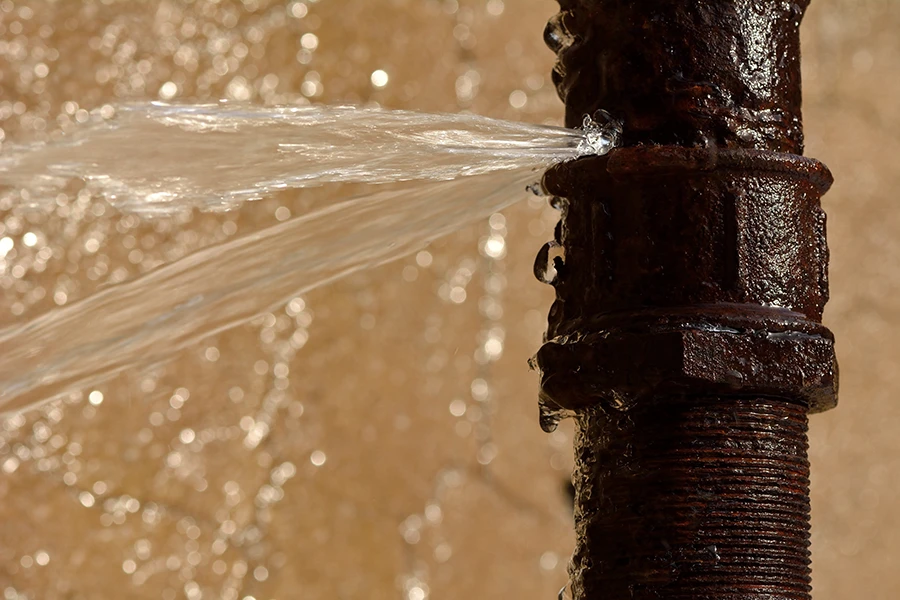
One of the clearest signs of burst water pipe damage is sudden water appearing on floors, near walls, or around plumbing fixtures. You may notice puddles forming under sinks, near your water heater, or along exterior walls.
A common sign in Tampa is when slab foundations push water from a burst pipe upward through grout lines or tile edges. By the time standing water appears, moisture has often already spread beneath the flooring and into surrounding materials.
Complete Loss of Water Pressure
If multiple sinks, showers, or fixtures suddenly lose water pressure at the same time, a main supply line has likely burst. Pressure loss affecting only one area of your home is usually more localized, and whole-home pressure changes should always be inspected right away.
Visible Water Stains, Warped Walls, or Buckling Floors
Brown ceiling stains, bubbling paint, warped drywall, or buckling floors are all common signs of hidden water damage from a burst pipe. These issues happen when moisture spreads behind walls, beneath flooring, or through ceiling materials over time. In many cases, the visible damage represents only a small portion of the actual affected area hidden beneath the surface.
Subtle Signs of a Burst Pipe (The Ones Most Homeowners Miss)
Most burst pipe water damage issues don’t start as major emergencies. In many Tampa homes, early warning signs quickly escalate because they’re easy to ignore or explain away.
Here are some signs homeowners shouldn’t ignore:
A Sudden Spike in Your Water Bill
A hidden pipe leak can waste a large amount of water before visible damage appears. If your water bill suddenly jumps by 20% or more, it may point to a hidden leak. You can also check your water meter after turning off all fixtures. If it is still moving, water may be escaping somewhere in the home.
Reduced Water Pressure at Multiple Fixtures
Low pressure at one sink or shower is usually a local plumbing issue. However, low pressure throughout the house or on multiple fixtures at once may signal a damaged supply line or a hidden pipe break.
Sounds Inside Walls — Dripping, Rushing, or Hissing
Hearing water sounds when no fixtures are running is a warning sign of hidden pipe damage. Dripping noises from behind walls usually indicate a leak, while rushing water may indicate an active pipe break. Hissing noises can also signal pressure problems or small pinhole leaks under high pressure.
Discolored or Rust-Colored Water
Brown or rust-colored water may mean your pipes are corroding internally. This is common in older plumbing systems and can be an early warning sign of pipe failure.
Musty Odors or Visible Mold Appearing Without Obvious Cause
A musty smell near walls, cabinets, or flooring often points to trapped moisture from a hidden leak. In Florida’s humid climate, moisture problems can spread quickly, leading to mold growth and structural issues. The CDC requires professional mold remediation to stop the spread and prevent health risks.
Warm Spots on Floors or Walls (Hot Water Line Leaks)
Warm spots on tile or concrete floors may indicate a leaking hot water line beneath the slab. These spots commonly appear near kitchens, bathrooms, or water heaters and often indicate a hidden slab leak. Professional leak detection can help locate the problem before damage spreads further.
What Happens To Your Home If a Burst Pipe Goes Undetected
If you have water damage from a burst pipe, it’s essential to get the right help, fast. While a plumber repairs the broken pipe, they don’t handle the damage left behind after water spreads through your home. An expert water damage restoration professional will fully dry, clean, and restore your property to pre-loss condition.
Here’s what a burst pipe does to a home over time:
Within the First Hour
A single burst supply line can release gallons of water in minutes, depending on pipe size and pressure. Water quickly spreads beneath flooring, inside walls, through wall cavities, and across subfloor materials. In many cases, the area you can see wet is only a small part of the affected space.
Within 24 Hours
After a full day of moisture exposure, drywall can begin to soften, flooring may start to warp, and insulation can become heavily saturated. Humid Florida conditions can also accelerate mold growth during this stage.
Within 48–72 Hours
As moisture remains trapped inside materials, damage becomes harder to reverse. Mold colonies begin to grow on drywall paper, wood framing, and other organic materials. Subfloors may begin weakening, odors often become noticeable, and structural framing will begin to soften and weaken.
Beyond 72 Hours
What starts as a small leak can quickly turn into a much larger restoration project. Moisture left untreated for more than 72 hours can lead to:
- More extensive structural repairs involving framing and subfloor materials, not just surface damage
- Personal belongings, cabinetry, flooring, and drywall become difficult or impossible to salvage
- Insurance complications if the damage worsens due to delayed reporting or lack of prompt action
What To Do the Moment You Suspect a Burst Pipe
If you think a pipe has burst inside your home, take caution and follow these emergency response steps immediately:
- Shut off your main water valve immediately.
If it’s safe to do so, stop the water supply as quickly as possible to help limit damage. - Turn off the power to affected areas.
Water and electricity can be dangerous together. Shut off breakers near wet or flooded areas. - Avoid using household fans.
Moving air before the damage is properly assessed can spread moisture and contaminants throughout the home. - Document visible damage.
Take photos and videos before moving or cleaning anything. This can help support your insurance claim. - Call a water damage restoration professional.
A plumber fixes the pipe; restoration companies like Expert Water Removal handle rapid water extraction, drying, restoration, and cleanup, following IICRC standards to restore your home.
Does Insurance Cover Burst Pipe Water Damage in Florida?
According to the Insurance Information Institute (III), homeowners’ insurance often covers sudden burst pipe damage, but not gradual corrosion, neglected leaks, or floodwater damage. Coverage can also depend on how quickly the issue is reported.
Florida homeowners should also understand that standard homeowners’ policies typically don’t cover flooding from storm surges or rising floodwaters. Separate flood insurance may apply in those situations.
Proper documentation, including photos, moisture readings, and inspection reports, can help support your claim. Our team at Expert Water Removal works directly with many insurance providers to simplify the restoration process.
If you notice higher water bills, reduced water pressure, or unusual sounds inside your walls, don’t wait to act. At Expert Water Removal, we provide 24/7 burst pipe water damage restoration, including water extraction, drying, and cleanup services to protect your home.
Call today for a professional burst pipe water damage repair.
Frequently Asked Questions — Burst Pipe Water Damage
How do I know if a pipe burst inside my wall?
The most common signs of a burst pipe are water stains on drywall, soft or spongy patches on the wall, a musty smell concentrated in one area, or dripping sounds when no water is running. In Florida’s humid climate, mold can appear on walls within 24 to 48 hours of a hidden pipe failure.
Can a burst pipe fix itself?
No. A pipe fracture will not seal on its own, as pressure will continue forcing water through the crack. Even if the flow slows or appears to stop, the pipe is still compromised, and the moisture already present will continue to cause damage.
What’s the difference between a burst pipe and a slab leak?
A burst pipe is a failure anywhere in your supply or drain system. A slab leak specifically refers to a pipe failure beneath or within your concrete slab foundation. Slab leaks produce warm floor spots, water pooling on floors without a ceiling stain above, and sounds of running water through the floor. They require specialized detection equipment.
Do I need a plumber or a water damage company?
You need both. A plumber shuts off the water supply and repairs the pipe. Our team at Expert Water Removal handles everything the water did to your home: extraction, structural drying, mold prevention, and full restoration. These are two separate jobs, and both are critical after pipe burst water damage.
Will my homeowners’ insurance cover burst pipe damage?
In most cases, homeowners’ insurance covers a sudden or accidental failure, as long as you report it promptly. Coverage varies by policy, and documentation matters significantly. Our team provides moisture reports and damage documentation required by insurance adjusters.